
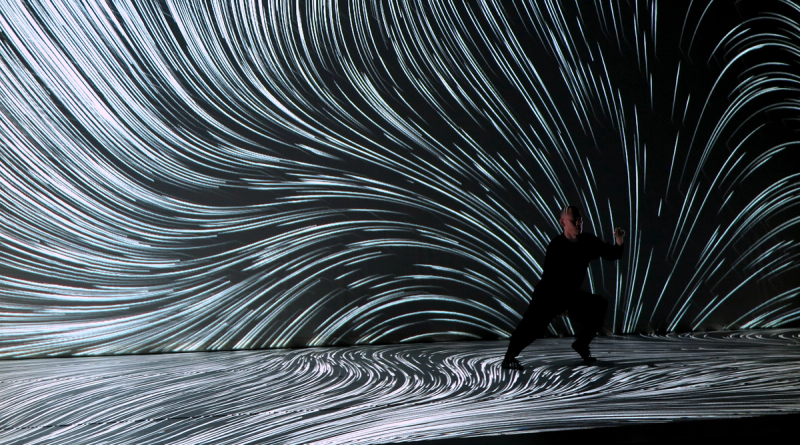
The Big Idea - 2025 Onwards
A future-ready editorial platform for bold storytelling.
Explore
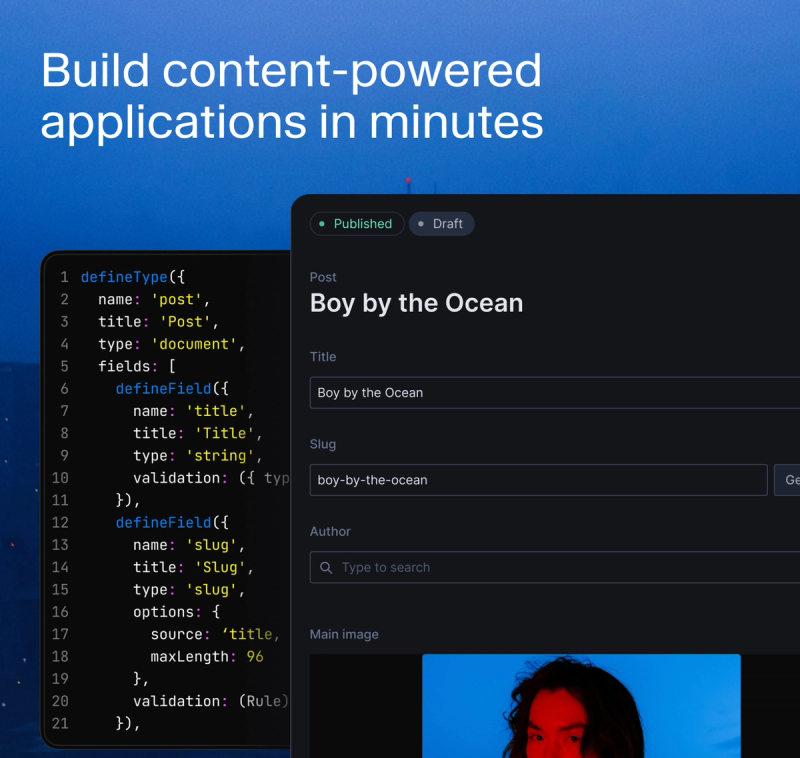
As AI reshapes how people search and discover, the platforms that win are the ones built on structured, machine-readable content. We build headless Sanity foundations where content is modelled as data, not trapped in pages; ready for search engines, AI assistants, and whatever comes next.
For years, being found meant ranking a page. Today, tools like Google's AI features, ChatGPT and Perplexity increasingly answer the question directly, drawing on content they can parse and trust. If a machine cannot understand your content, it cannot surface it.
This is a shift in what content has to do, not just how much of it you publish. We set out our thinking on why structure matters more than volume if you want the fuller picture.
Traditional platforms lock content into pages. A headless Sanity model treats content as structured, semantic data; defined by clear types, fields and relationships that both people and machines can read.
When we built The Big Idea, we developed a structured content model that lets stories live independently while remaining interconnected, with clear taxonomy strengthening discoverability across the platform. That is the difference between content a machine has to guess at and content it can read with confidence.
Structured data, or schema markup, defines the entities on your site, the organisations, people, services, articles and FAQs, in a standardised form that search engines and AI platforms understand. Without it, they are guessing. We build schema in from day one, not as an afterthought.
It is the same discipline behind our best work. For Cure Kids we modelled the relationships between health conditions, researchers and funded projects into structured pathways; for NZ Mint, structured content now powers long-form investment education and scalable storytelling.
GEO is about making content discoverable and usable by AI-driven platforms; answer-focused writing, FAQ content, entity-rich pages, and comprehensive schema. It sits alongside our wider AI and technology work, and it is not a service we bolt on afterwards. It is how we build.
Most agencies are still catching up to this shift. We have been structuring content this way for years, which means our clients are positioned to benefit from AI-driven discovery rather than be left behind by it.
The organisations we work with are not chasing hype. They are making practical investments in structure that pay off across search, AI discovery and multi-channel delivery.
Because structured content is not just good for AI. It is good for people, good for your team, and good for everything you will want to build next.
The Big Idea - 2025 Onwards
A future-ready editorial platform for bold storytelling.
Explore
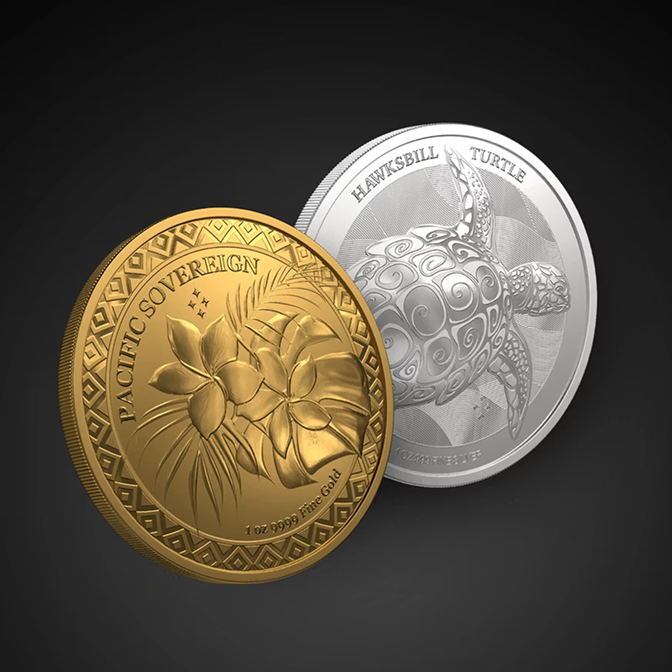
NZ Mint - 2025 Onwards
Rebuilding the future of bullion investing.
Explore

Cure Kids - 2024 Onwards
Designing digital with heart
Explore

SneakerFreaker - 2023 Onwards
Engineering a future-proof media platform.
Explore

Childfund - 2026 Onwards
Supercharging donations for not-for-profit.
Explore
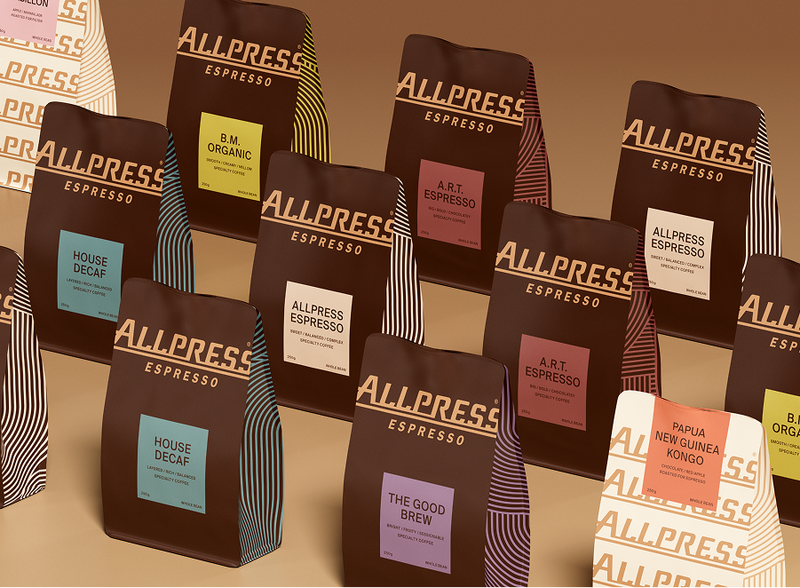
Allpress Espresso - 2026 Onwards
A scalable ecommerce system for a global coffee brand.
Explore