
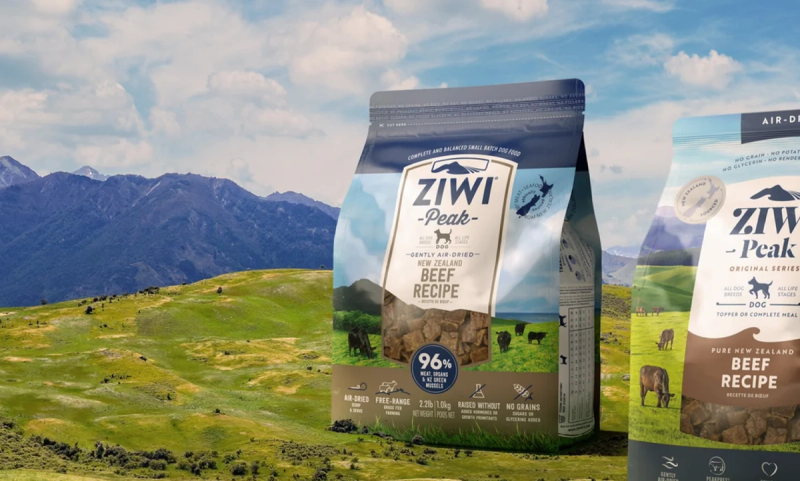
ZIWI Pets
Elevating ZIWI Pets' global presence! We crafted a scalable Shopify Plus platform, aligning seamlessly with their brand to fetch epic eCommerce success.
Explore
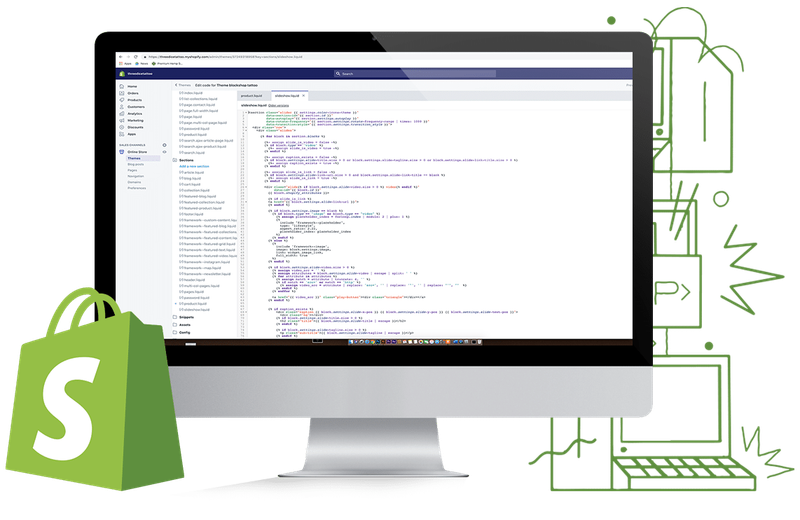
Flight Digital is a Shopify website agency that helps businesses plan, design, build, migrate and improve ecommerce websites using Shopify. We combine strategy, UX, content, Shopify development, SEO and conversion optimisation to create ecommerce experiences for ambitious and growing brands.
This can include launching a new store, moving from another platform, developing a Shopify Plus experience, creating a headless commerce ecosystem or improving an existing Shopify website. We help teams make practical platform decisions, create clearer customer journeys and connect Shopify with the systems their business relies on.
Shopify continues to evolve through new features, integrations and commerce options. Our Shopify Editions Summer 2023 article share some of the platform developments we have been following.
New Zealand’s online retail market continues to grow. According to NZ Post’s H1 2026 ecommerce update, online spending exceeded $6 billion in the first half of 2026, rising 12% compared with the same period in 2025. Online transactions increased by 10%, while the average online basket rose by 1% to $120.
The same report found that New Zealand retailers accounted for 79% of online spending. Domestic online spending increased by 13%, compared with 9% for international retailers.
For ecommerce businesses, this creates opportunity but also higher expectations. Customers need to find the right products, understand delivery and returns, trust the brand and complete their purchase without unnecessary friction.
Checkout experience matters too. Baymard’s analysis of 50 studies puts the average documented online cart abandonment rate at 70.22%. This is a market wide benchmark rather than a Shopify specific result, but it highlights why product information, delivery clarity, payment options, trust signals and checkout design all deserve attention.
The platform is only one part of the solution. Your Shopify website also needs to support how customers browse, how your team manages the store and how the wider business operates.
Shopify can be a strong fit for businesses that want a managed ecommerce platform, a broad ecosystem of features and integrations, straightforward catalogue management and room to expand over time.
Before choosing Shopify, it is worth considering:
Shopify may require a more tailored approach when your workflows are unusually complex or your frontend needs to behave more like a broader digital product than a traditional online store.
A good Shopify website agency should help you assess platform fit before recommending a solution. The goal is not to add technology for its own sake. It is to choose an ecommerce foundation that supports your customers, your team and your commercial direction.
A high performing Shopify website should make it easy for customers to discover products, understand their options and complete a purchase with confidence.
We combine ecommerce UX, content strategy, conversion thinking and Shopify development to improve the journey from first impression to checkout. This includes product discovery, navigation, collection structure, site search, product pages, merchandising, mobile interactions, checkout journeys and the experiences that encourage customers to return.
Every decision needs to work for both customers and internal teams. Your store should feel clear and useful to shop, while remaining practical for your team to manage products, content and campaigns as the business changes.
Our Shopify website design and development process brings strategy, UX, design and technology together. We begin by understanding your business model, audience, products, operational requirements and growth plans. These insights help shape an ecommerce experience that is useful now and flexible enough to evolve.
Depending on your requirements, our work can include:
Designers, strategists and Shopify developers work together throughout the project. This helps ensure that the customer journey, visual experience, content structure and underlying technology support the same commercial objectives.
The result is more than a storefront that looks good. It is an ecommerce foundation that helps customers browse and buy with less friction, while giving your team a manageable platform for future products, campaigns and improvements.
Shopify Plus is Shopify’s enterprise commerce platform for brands with more complex requirements, larger operations and higher growth needs.
Shopify Plus may be the right fit when you need to support larger catalogues, multiple markets, B2B commerce, multiple storefronts, more advanced automation or complex integrations. It is not automatically the right choice for every business, so we assess the platform against your current requirements and future plans.
Flight helps growing and established brands design and develop Shopify Plus experiences that connect commerce with content, customer journeys and business systems. We can help you understand what should remain standard, where bespoke functionality adds value and how the platform can support the next stage of growth.
Headless Shopify separates Shopify’s commerce engine from the frontend customer experience, giving brands greater flexibility over design, content and technology.
This approach can be useful when a standard theme cannot support the experience you want, or when content and commerce need to work across more than one digital touchpoint. Shopify can manage the commerce layer while a separate frontend and content platform support richer storytelling, more flexible layouts and tailored customer journeys.
Flight can combine Shopify with modern content platforms such as Sanity CMS as part of our headless commerce development services. This allows content, commerce and presentation to evolve independently while remaining connected through the underlying architecture.
You can also read our Shopify Headless Commerce introduction to Hydrogen for more context on headless ecommerce and Shopify development.
See this approach in our NST Parts headless ecommerce case study , where we built a turbocharged ecommerce platform using a headless technology stack.
Moving to Shopify is not simply a website rebuild. A successful ecommerce migration needs to protect product information, customer data, content, integrations, search visibility and the journeys customers already rely on.
Flight plans migration alongside UX, development and SEO. Depending on the scope, this can include platform assessment, product migration, content migration, customer and account data considerations, URL mapping, redirect planning, analytics, integration requirements, testing and launch support.
Every migration needs a clear plan for what moves, what changes and what should be improved. We help teams make those decisions before development begins, so the new Shopify experience has a stronger foundation and existing organic visibility is not placed at unnecessary risk.
Moving to Shopify is not simply a website rebuild. A successful ecommerce migration needs to protect product information, customer data, content, integrations, search visibility and the journeys customers already rely on.
Flight plans migration alongside UX, development and SEO. Depending on the scope, this can include platform assessment, product migration, content migration, customer and account data considerations, URL mapping, redirect planning, analytics, integration requirements, testing and launch support.
Every migration needs a clear plan for what moves, what changes and what should be improved. We help teams make those decisions before development begins, so the new Shopify experience has a stronger foundation and existing organic visibility is not placed at unnecessary risk.
Shopify rarely operates alone. Your ecommerce platform may need to work alongside systems responsible for inventory, customer data, marketing, fulfilment, content and reporting.
Depending on your requirements, this can involve:
Good integration planning is not only about making systems communicate. It is also about deciding which system owns each piece of information, how data moves, what customers see and how your team manages exceptions.
We consider these relationships as part of the wider Shopify strategy and development process, helping the customer facing experience work alongside the wider business.
Launch is the starting point, not the finish line. We combine Shopify development with SEO, analytics and conversion rate optimisation to identify where customers are dropping off, where product discoverability can improve and where the ecommerce experience can work harder.
This can include technical SEO, ecommerce information architecture, product and collection structure, metadata, internal linking, structured data, performance considerations, analytics and customer journey analysis.
We use these insights to prioritise improvements rather than relying on guesswork. The most valuable ecommerce platforms are not simply the ones that launch well. They are the ones that continue to improve.
Explore our SEO capability to learn more about how Flight supports search visibility and long term growth.
Flight has 8 years of experience designing, building and growing digital platforms. Our Shopify and Shopify Plus work spans ecommerce strategy, UX and UI design, custom development, headless commerce, platform migration, integrations and ongoing optimisation.
Our publicly documented Shopify work dates back to at least 2020, giving Flight more than six years of Shopify experience as of 2026. Our current portfolio includes Shopify and ecommerce projects for ZIWI Pets, Aalto, Bradfords, NZ Mint, and Allpress Espresso.
This experience includes:
Flight has also launched more than 40 digital platforms and supports over 100 ongoing partnerships. That broader experience helps us consider Shopify as part of a wider digital ecosystem, rather than treating it as a standalone online store.
Whether you need a new Shopify website, a Shopify Plus experience, a headless commerce platform or support improving an existing store, we combine strategy, design, technology and performance to build an ecommerce foundation that can grow with your business.
Flight brings strategy, UX, content, ecommerce development, SEO and optimisation into the same conversation. That matters because a Shopify store is not only a technology project. It is a customer experience, a content system, a set of business integrations and an acquisition channel.
We start with your goals, audience, products and operational realities before recommending a platform or approach.
We structure ecommerce journeys around how people browse, compare, evaluate and buy.
We help determine whether Shopify, Shopify Plus or headless Shopify is the right fit for the work ahead.
Strategy, design, development, content and SEO inform one another throughout the project.
We build a foundation your team can manage and continue to improve as the business changes.
The aim is to create an ecommerce experience that supports your customers, your team and your commercial direction.
ZIWI Pets
Elevating ZIWI Pets' global presence! We crafted a scalable Shopify Plus platform, aligning seamlessly with their brand to fetch epic eCommerce success.
Explore

Aalto
Helping customers explore ultra-premium paint and beautiful, multi-pigmented colour.
Explore
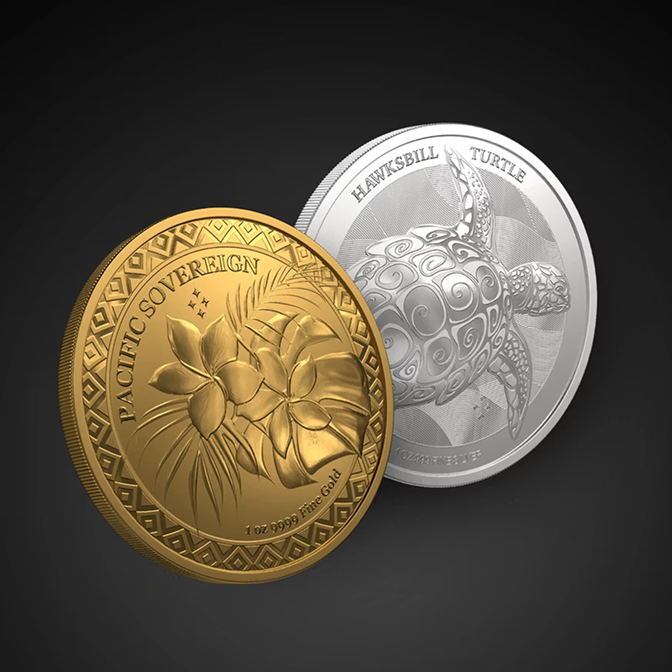
NZ Mint
Rebuilding the future of bullion investing.
Explore

Bradfords
Making powerful systems feel effortless.
Explore
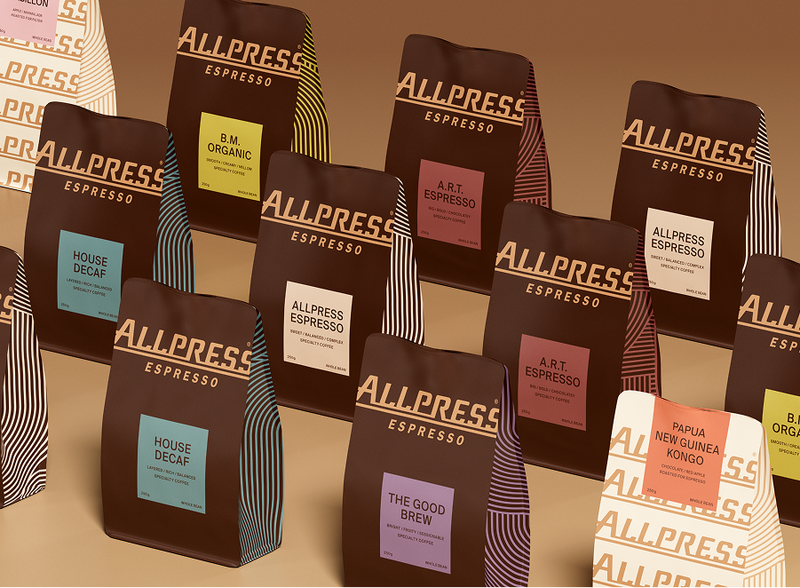
Allpress Espresso
A scalable ecommerce system for a global coffee brand.
Explore
Whether you are planning a new store, considering a migration or looking for a more flexible ecommerce experience, tell us what you are working towards.
Share your current platform, goals and what needs to change. Flight will review the context and help identify a practical next step.
Talk to our client services team
01
The cost of a Shopify website depends on the complexity of the store, design requirements, integrations, migration requirements and whether the project uses Shopify or Shopify Plus. Flight scopes Shopify projects around business requirements rather than applying a one size fits all package.
02
Shopify suits many businesses that need a flexible ecommerce platform with a broad ecosystem of features and integrations. Shopify Plus may be more suitable for brands with larger operations, multiple markets, B2B requirements, multiple storefronts or more complex automation needs.
03
Yes. A Shopify migration can include products, customer data, content, integrations, URLs, redirects, analytics and SEO requirements. Flight plans the migration alongside UX and development to help protect existing customer journeys and organic visibility.
04
Headless Shopify separates Shopify’s commerce engine from the frontend customer experience. This gives brands greater flexibility over design, content and technology, and can support richer digital experiences across different channels and touchpoints.
05
Shopify can provide a strong foundation for ecommerce SEO, but performance depends on how the site’s architecture, content, technical SEO and development are implemented. Flight considers product structure, collection architecture, metadata, internal linking, structured data, analytics and the wider customer journey.
06
Yes. Shopify can work alongside systems such as ERP, CRM, inventory, payment, fulfilment, marketing, analytics, content and loyalty platforms. The right integration approach depends on your business requirements, data flows and operational processes.