
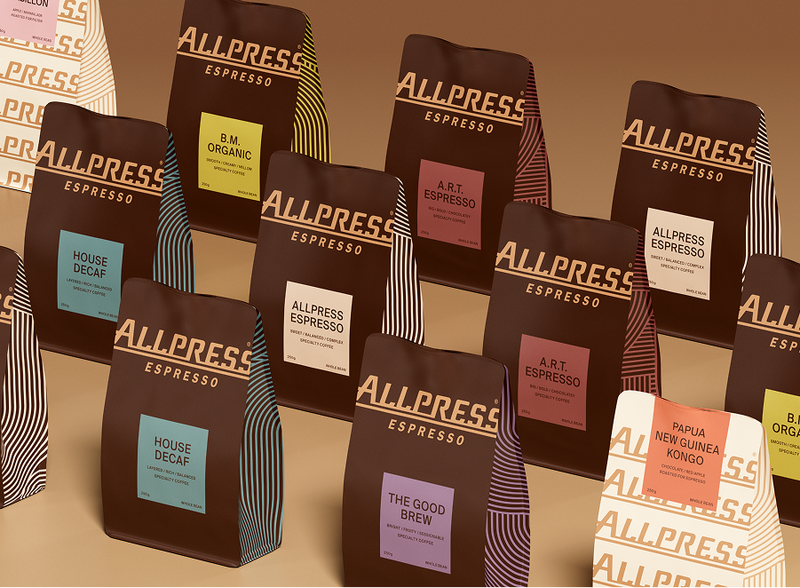
Allpress Espresso - 2026 Onwards
A scalable ecommerce system for a global coffee brand.
Explore

Flight Digital plans and builds headless commerce experiences for businesses with complex customer journeys, multiple markets or specific platform requirements. We connect Shopify or Shopify Plus with custom storefronts, content and business systems.
Headless commerce separates the commerce platform from the customer-facing experience. This can give your team more control over how people discover products and shop. It also brings more technical decisions and ongoing responsibility.
We’ll help you assess whether headless is the right fit, then plan an approach around your customers, operations and goals.
Headless commerce separates the commerce platform from the front end customers use. The commerce platform manages products, pricing, carts, checkout and orders. A separate front end presents the shopping experience.
The systems communicate through APIs. A headless setup may include:
A headless CMS and headless commerce solve different problems. A headless CMS separates content management from content presentation. Headless commerce separates commerce functions from the front end. A business may use both, but a headless CMS is not required for every headless commerce project.
Headless commerce may suit your business if you need:
A standard Shopify setup may be a better fit if your customer journey is straightforward, a theme meets your needs, and you want to launch and manage your store with less technical complexity. Headless is an architecture choice, not an automatic upgrade.
Flight considers your customer journey, content needs, integrations, internal capability and future plans before recommending an approach.
We assess your requirements and define how the commerce platform, front end, content and business systems should work together. Planning may cover:
Flight works with Shopify, Shopify Plus and headless Shopify architectures. Depending on the project, our work may include storefronts, custom components, product and collection structures, multi-market experiences and customer journeys.
Explore our Shopify website design and development.
A headless CMS can help teams structure, manage and reuse content across digital experiences. We can support Sanity implementation, content modelling, editorial workflows, product storytelling and multi-market content.
Explore our Sanity CMS development services or headless CMS development.
We design and build the customer-facing experience around how people discover, compare and buy. This may include responsive front-end development, product and collection templates, search and filtering, reusable components and design systems.
For broader website requirements, see our website development capability.
We plan integrations around your actual business workflows. Depending on the project, these may connect Shopify with inventory, ERP, fulfilment, CRM, payment, shipping, search, marketing or analytics platforms.
A headless storefront still needs to be crawlable, usable and easy to maintain. We consider technical SEO, rendering, URLs, metadata, structured data, internal links, analytics and conversion tracking as part of the project.
If you’re moving platforms, planning may also cover product and content migration, redirects, customer accounts, integrations, testing and launch support. Our SEO capability can support organic visibility before and after launch.
A headless commerce setup is not a fixed stack. The customer-facing front end connects to the commerce platform and, when needed, a headless CMS. APIs can also connect these systems to the tools that support your operations.
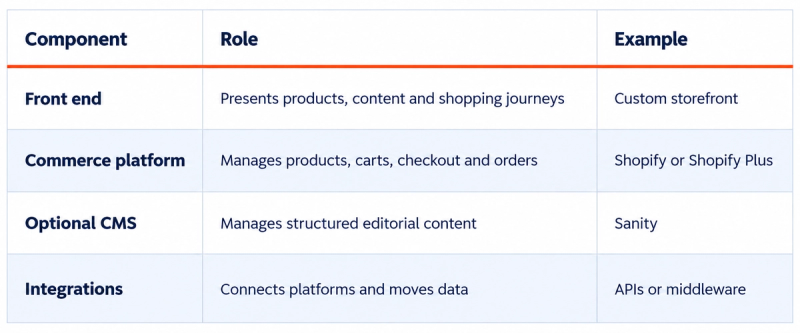
The right structure depends on the platforms you use and the experience you need to deliver.
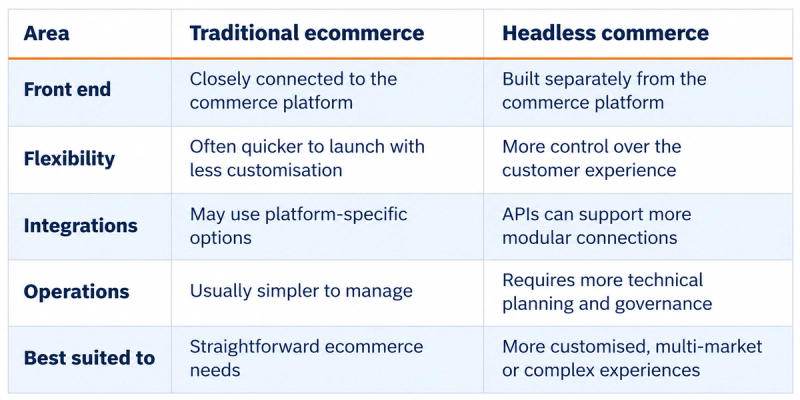
The right choice depends on whether the added flexibility justifies the extra development and maintenance.
Allpress Espresso - 2026 Onwards
A scalable ecommerce system for a global coffee brand.
Explore

NST Parts - 2023 Onwards
We recently built NST Parts - the performance arm of North Shore Toyota - a turbo-charged eCommerce platform using our headless tech stack. See the full case study here.
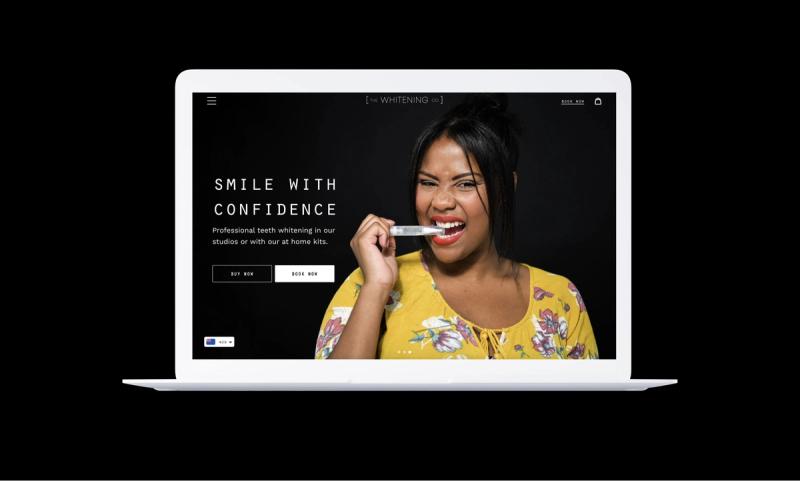
The Whitening Co - 2020 Onwards
Building a globally scalable ecommerce and in studio experience. The Whitening Co is a brand identity, strategy and e-commerce project built entirely from scratch, all the way from concept, ideation & iteration through to implementation, platform creation, production and entrance to market strategy.
Your commerce architecture should support your customers and the way your business operates. Flight Digital can help you assess the options, plan the right approach and build a flexible ecommerce experience around your goals.
Discuss your headless commerce project
01
Yes. Shopify can act as the commerce platform in a headless setup, connected to a custom front end through APIs. Whether it is suitable depends on your customer experience, integrations and operational needs.
02
No. A headless CMS can help when you need flexible content modelling or want to manage content across different experiences. It is optional.
03
Not automatically. Search visibility depends on how the site is planned and built, including rendering, site structure, performance and technical SEO.
04
Headless can offer more front-end flexibility, but it usually requires more planning, development and technical governance than a standard ecommerce setup.
05
A migration can involve product data, content, URLs, redirects, integrations and front-end redevelopment. The scope depends on your existing store and the experience you want to create.
06
Cost depends on the platform, design, integrations, markets, migration requirements and technical complexity. Flight can assess the scope before recommending an approach.
07
The timeframe depends on the customer experience, integrations, migration and testing requirements. A project plan can be developed after discovery and architecture planning.